FOR A MORE INCLUSIVE MATERIAL LANGUAGE
BC Patch

From biodegradable bacterial cellulose research to a wearable concept
for sharing skin tone.
The project began as award-winning bacterial cellulose patch research, exploring natural dyes, flexibility, absorption, adhesion, and skin-tone matching. It is now evolving into SKIN SWAP, a playful product concept shaped by feedback and real-world questions.
BACTERIAL CELLULOSE PatchRESEARCH
A material study about visibility, comfort, and inclusion across skin tones.
This project investigated how wound dressings are perceived across diverse skin tones, focusing on visibility, contrast, and user comfort. Using bacterial cellulose dyed with natural pigments, the research tested color similarity, material behavior, and usability as a step toward more skin-inclusive medical design.

I did not treat feedback as a final verdict. I used it to decide what to question, test, and change next.
-
-
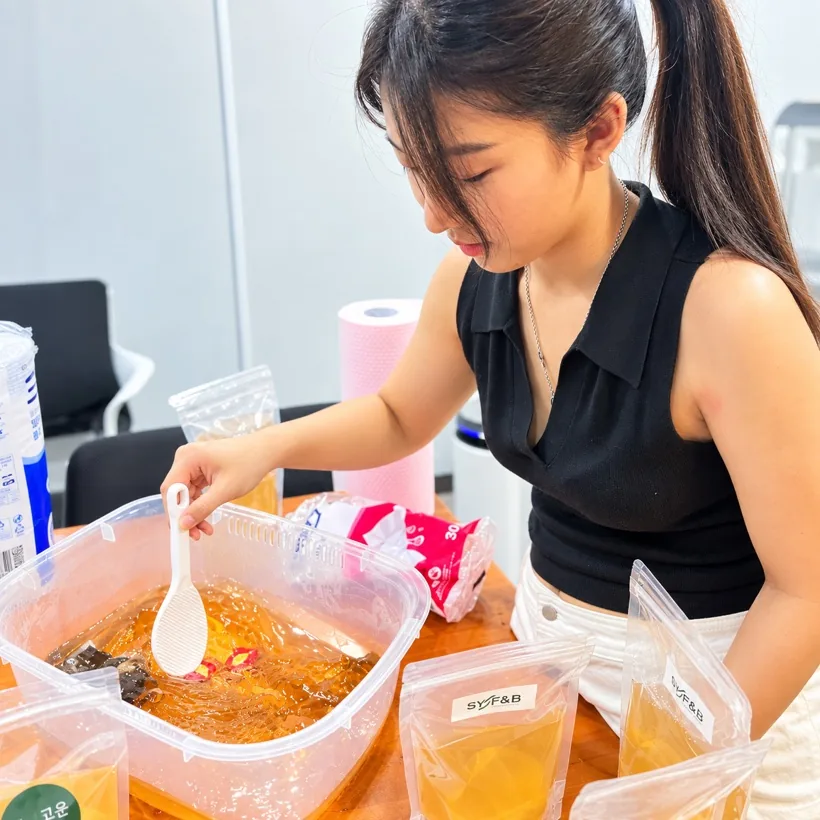
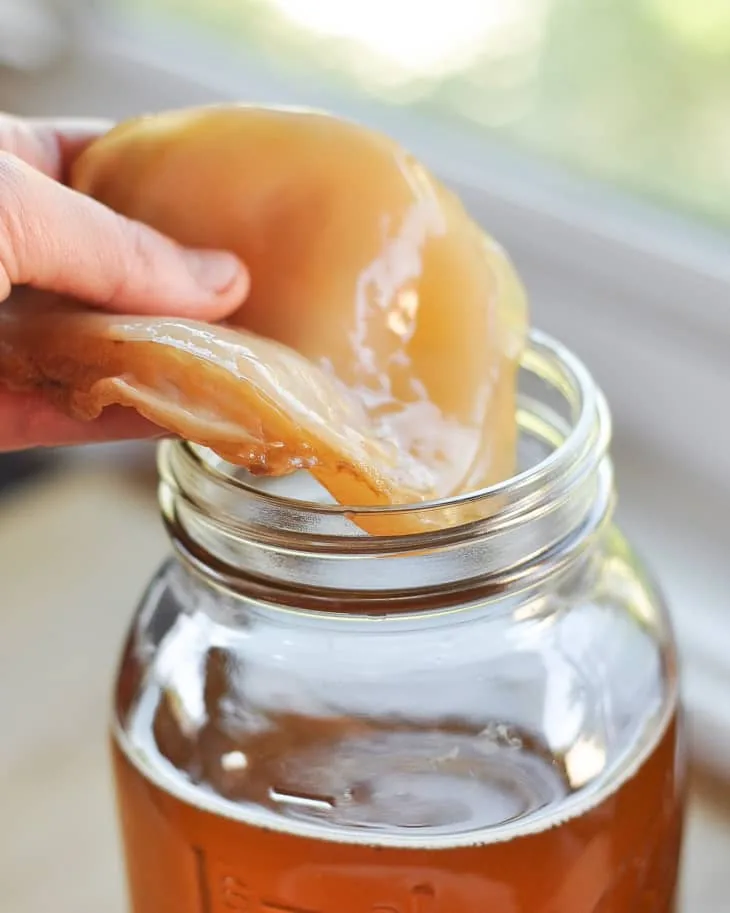
Material Mixing
Preparing the bacterial cellulose base and dye bath.
-
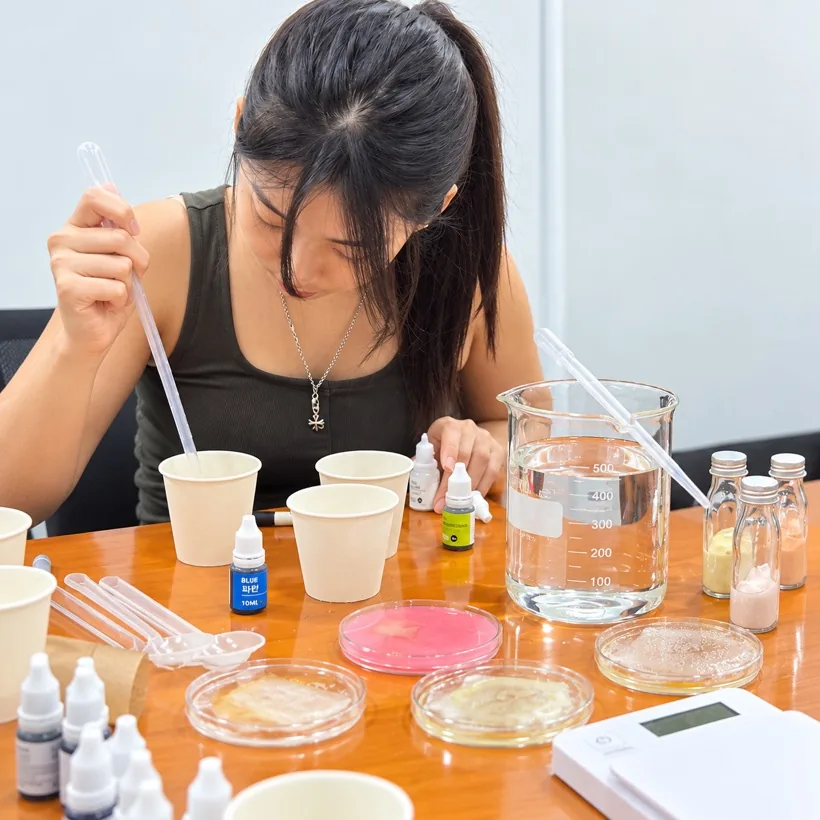
Dye Formulation
Testing natural pigments and color combinations
-
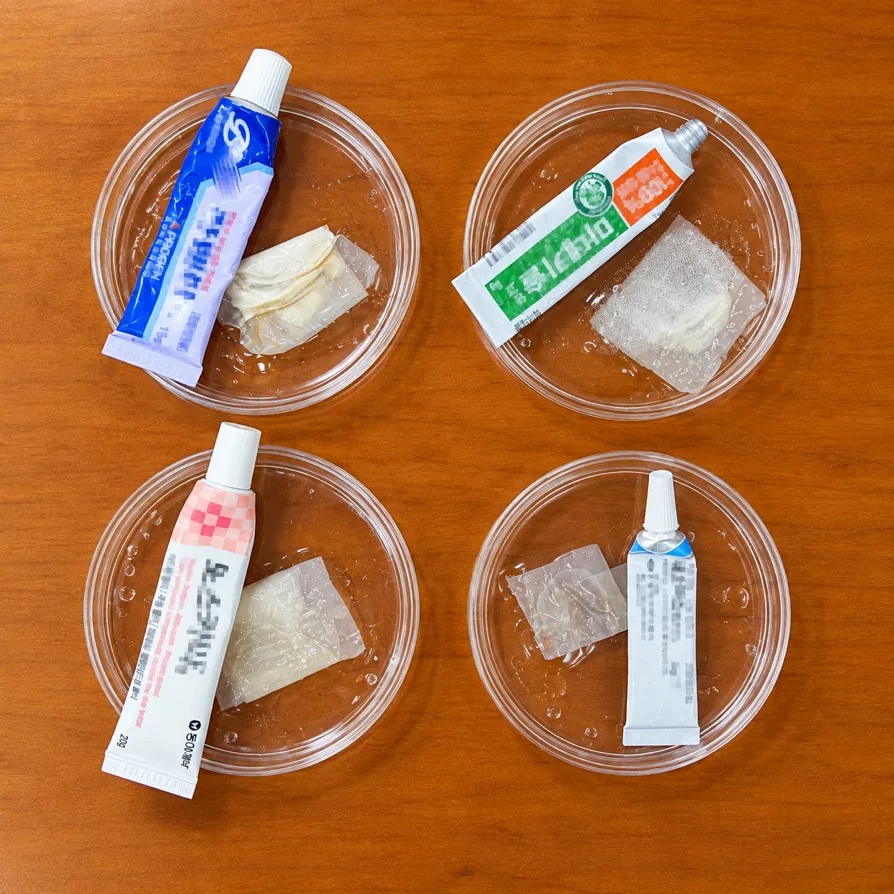
Ointment Tests
Comparing surface response with common topical products
-
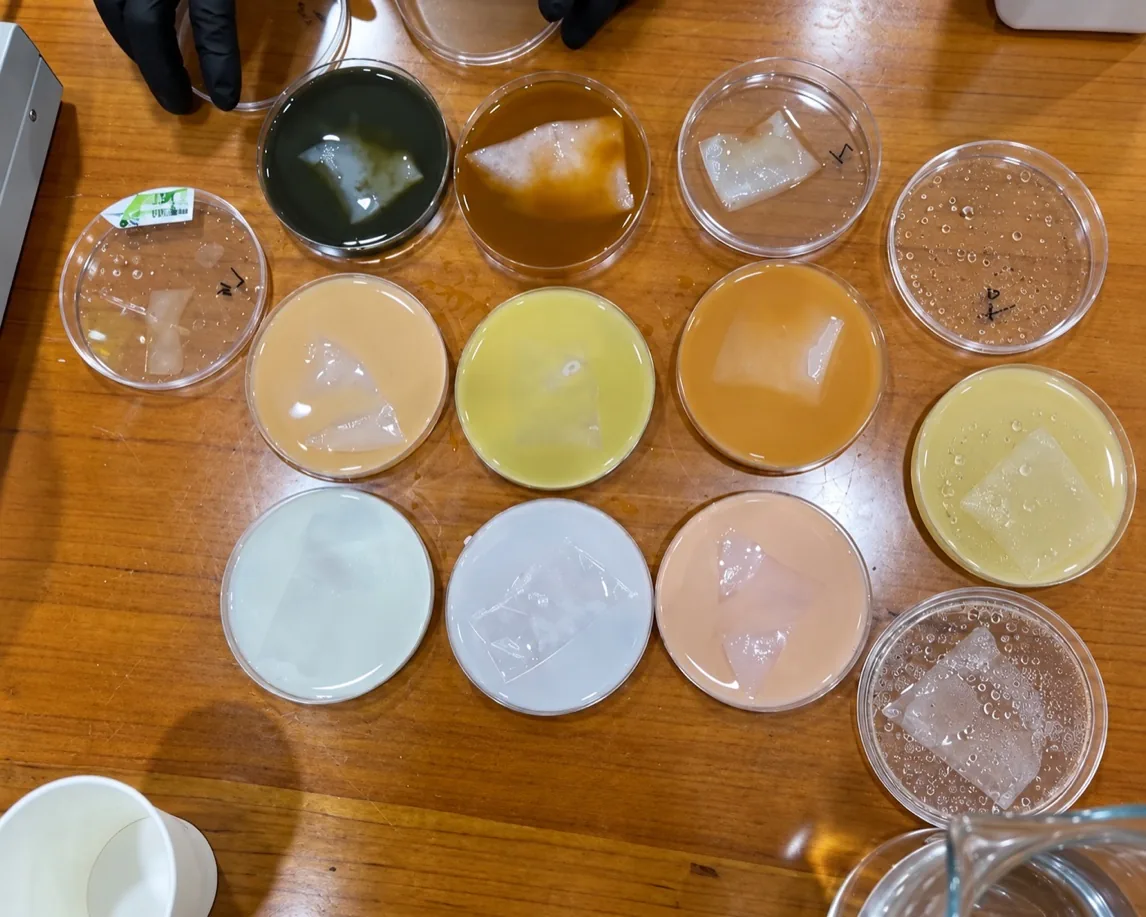
Dye Response Tests
Observing how bacterial cellulose responds to different dye conditions.
-
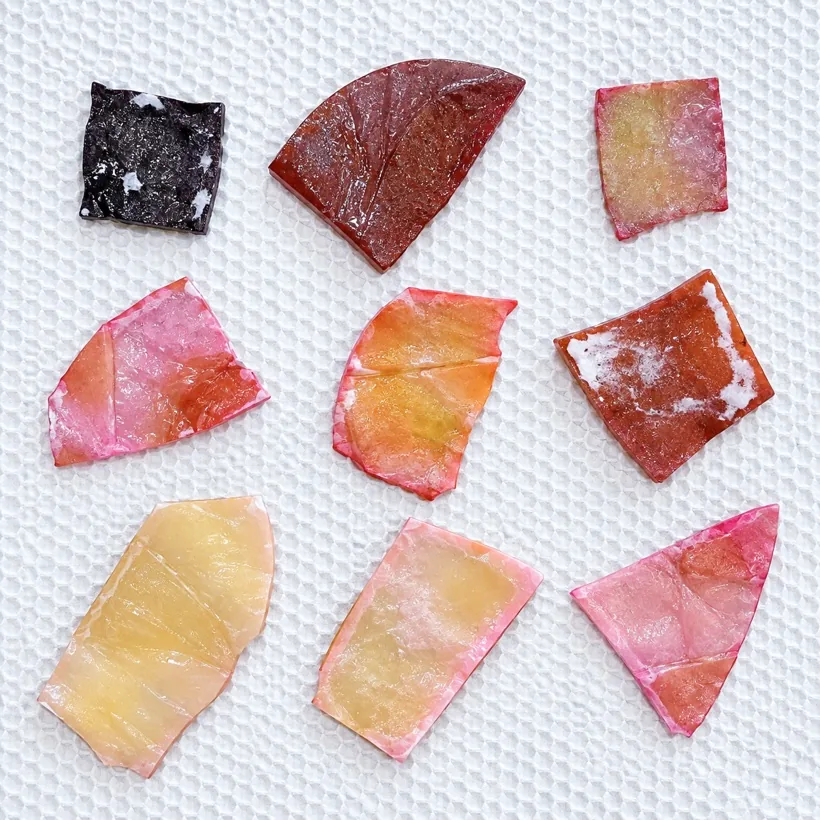
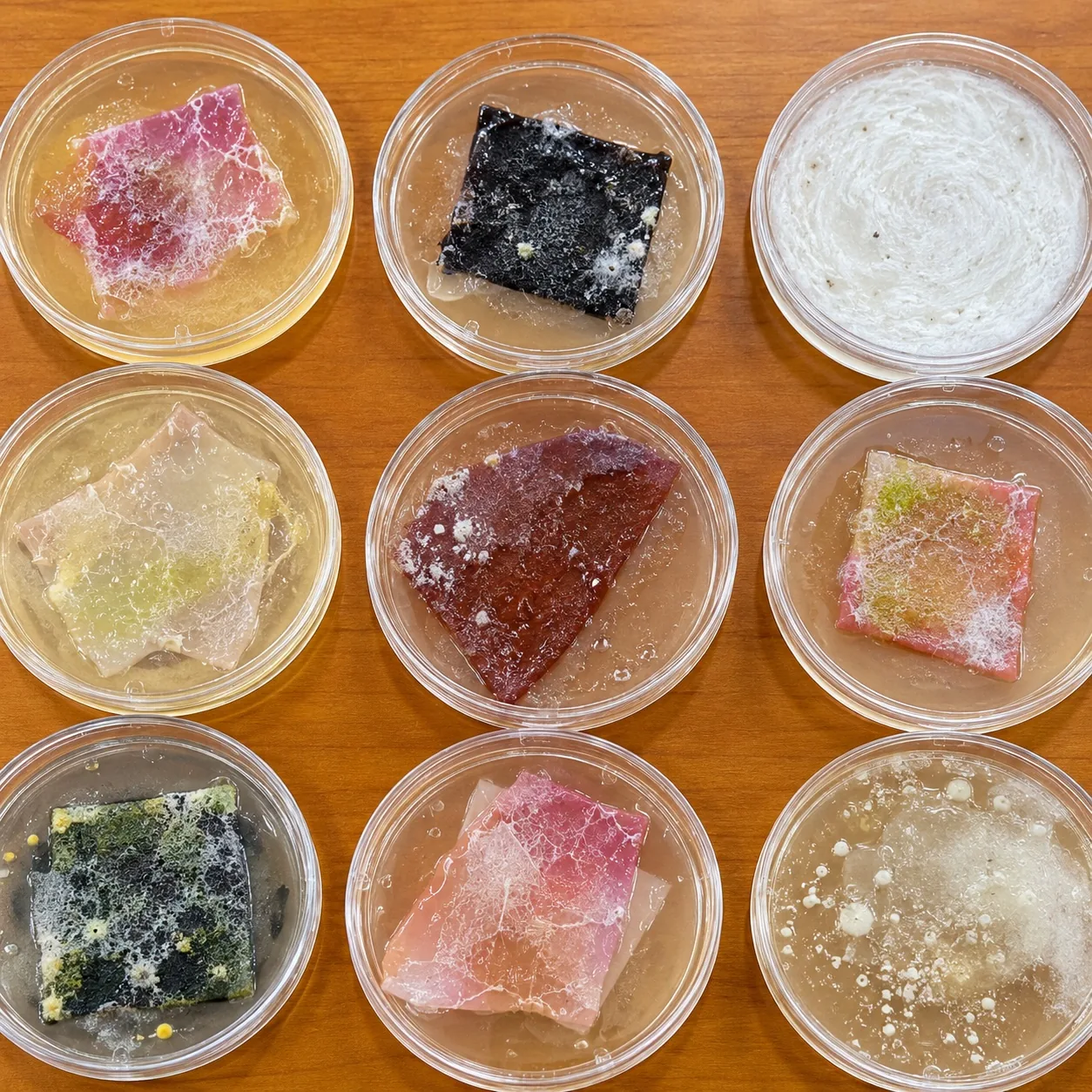
Sample Variations
Reviewing color range across multiple BC patch samples.
KEY FINDINGS
What the Bacterial Cellulose Patch study revealed about skin-tone matching, visibility, and inclusive design.
-

MATERIAL
Bacterial cellulose offered an absorbent, biocompatible, and biodegradable base for wound-dressing design.
-

ACCURACY
Natural dyes supported skin-tone matching, and CIEDE2000 enabled quantitative evaluation; the best-performing darker-tone sample reached 99.5% similarity.
-

VISIBILITY
Patch visibility and perceived naturalness changed across skin tones, showing that contrast matters in real use.
-

INCLUSIVITY
Skin-tone inclusion affects usability and psychological comfort, not only appearance.
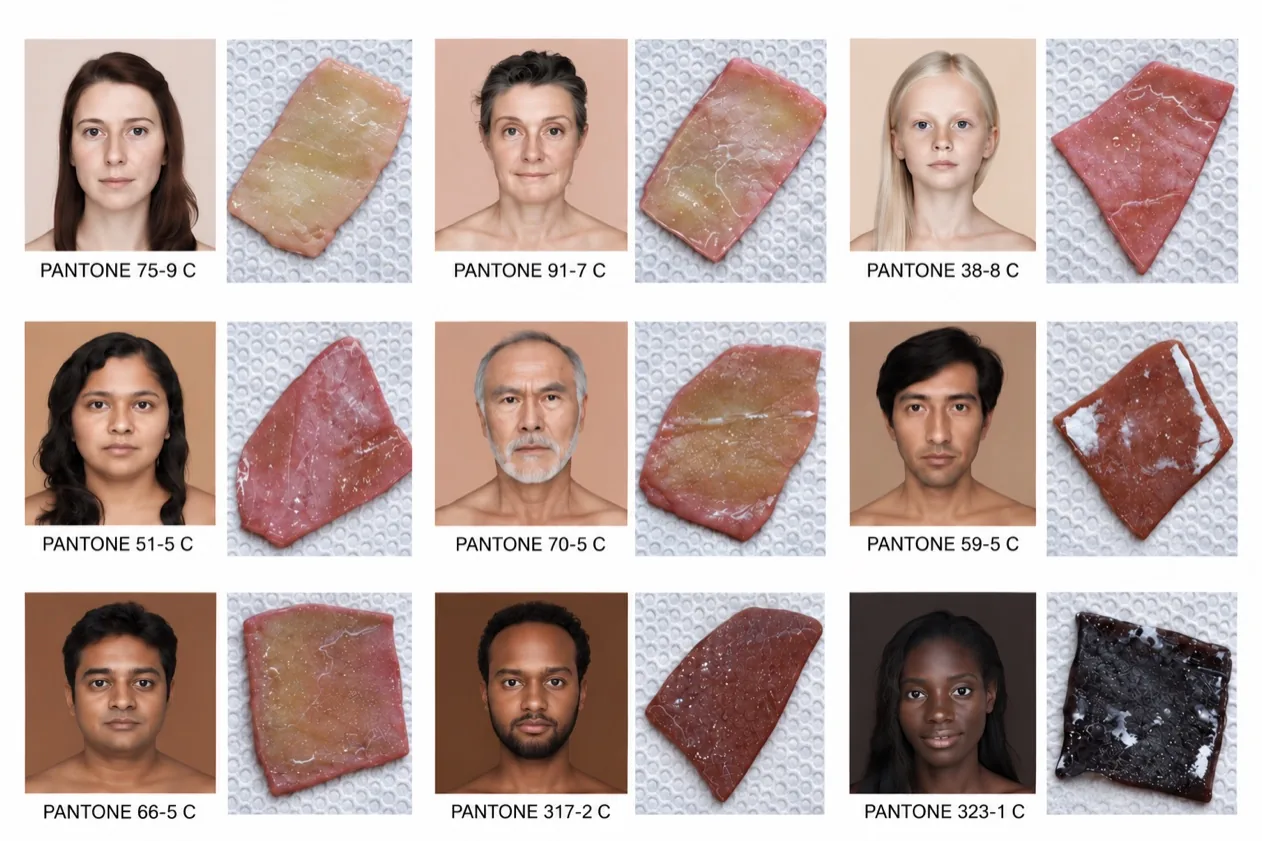
99.5%
match in the darkest
tested skin tone
CIEDE2000-based similarity score
MANY TONES FELL WITHIN
A STRONG SIMILARITY RANGE.


Most samples showed high similarity
across a wide range of skin tones,
with the closest match at 99.5%
in the darkest tested tone.
FROM JUDGES' FEEDBACK
TO THE NEXT STEP
At KSEF, the project received a National Gold Award and an International Silver Award. More importantly, judges' questions pushed the research beyond proof-of-concept material testing toward durability, real-world use, and user experience.
Feedback did not end the research. It redirected the next questions.
-
"How durable is it on skin?"
The next stage shifted toward wear, adhesion, and everyday conditions.
-
"Who is it really for?"
The concept expanded from material testing to users, inclusion, and psychological comfort.
-
"Can it move beyond the lab?"
The project evolved into SKIN SWAP - a wearable concept in progress.

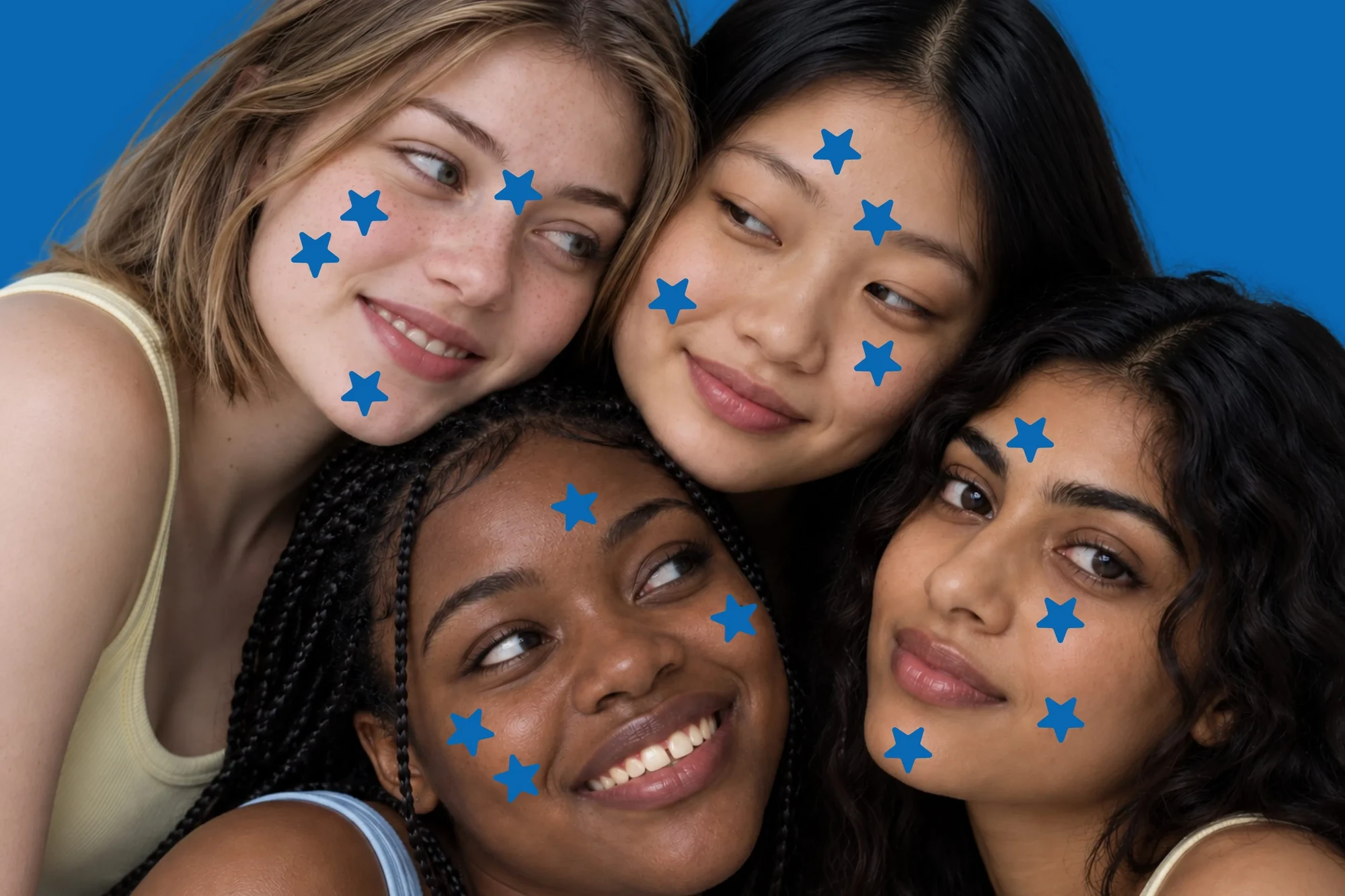

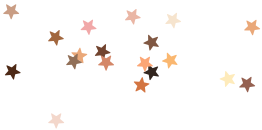


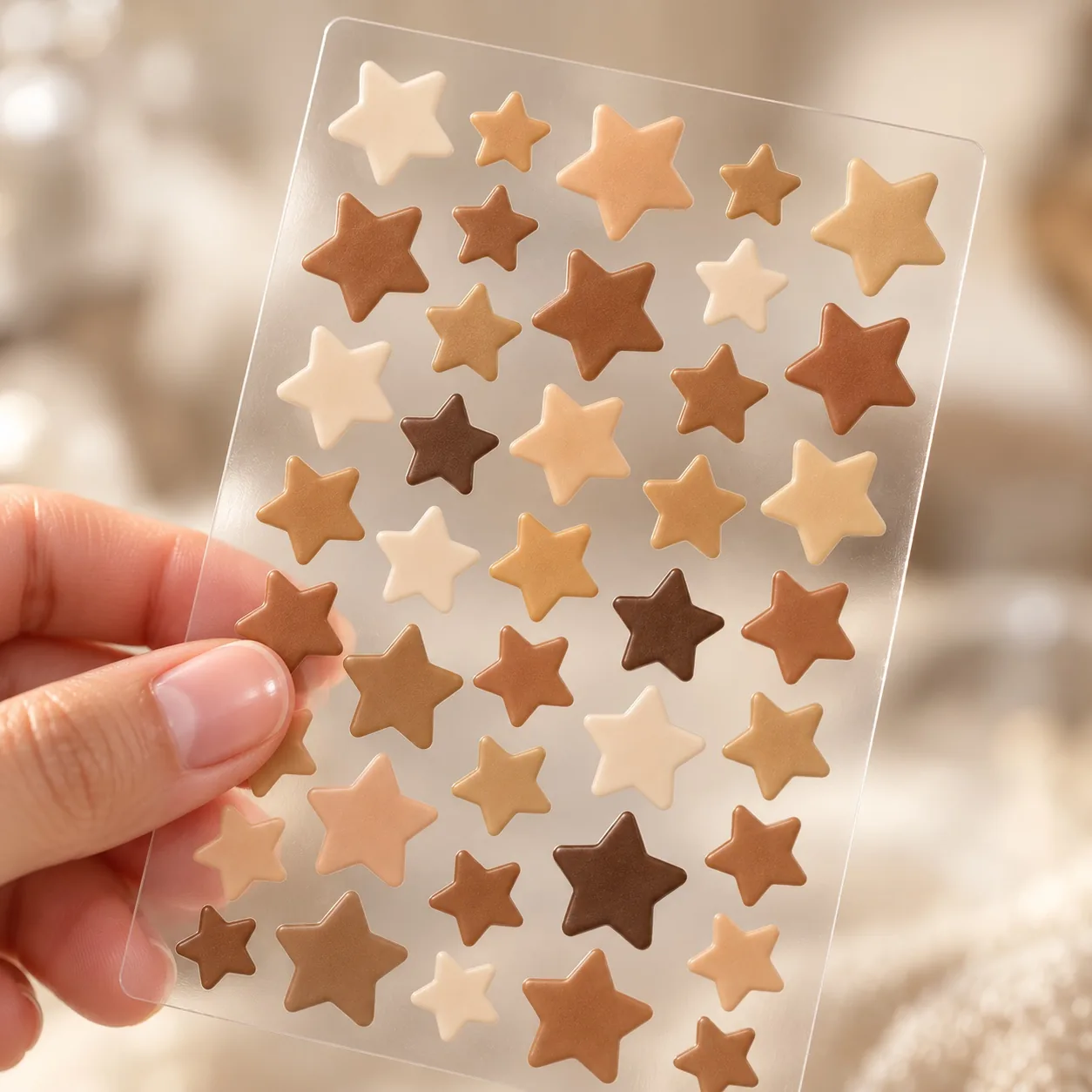
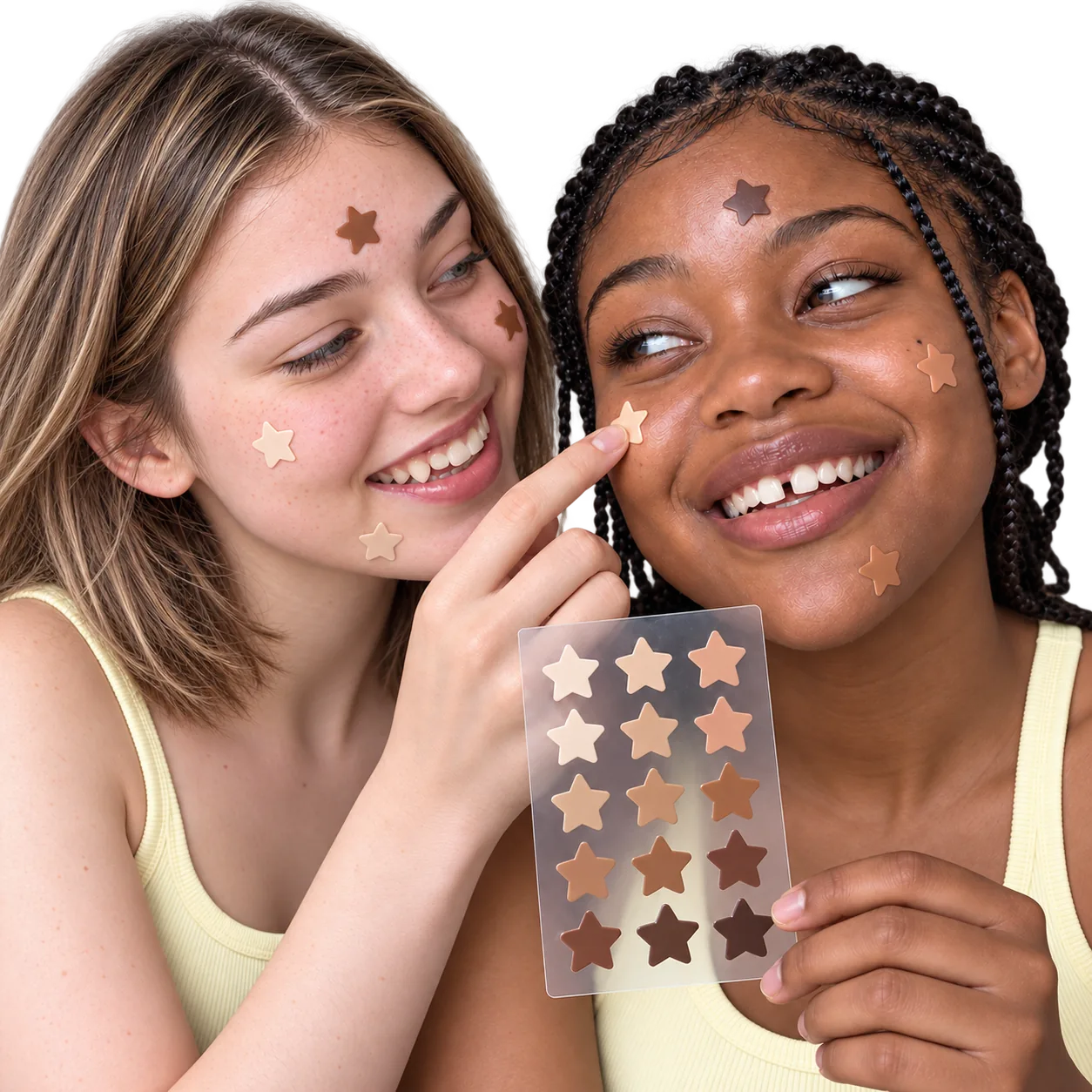
What if the visual language of skin could be shared? SKIN SWAP is a playful wearable patch concept developed from my bacterial cellulose patch research. Rather than serving only to hide blemishes, the patches invite wearers to choose a shade close to their own, try a different one, or exchange patches with someone else. Skin becomes not a fixed set of categories, but an expanding visual language that can be chosen, displayed, and shared.
-
BRAND IDEA
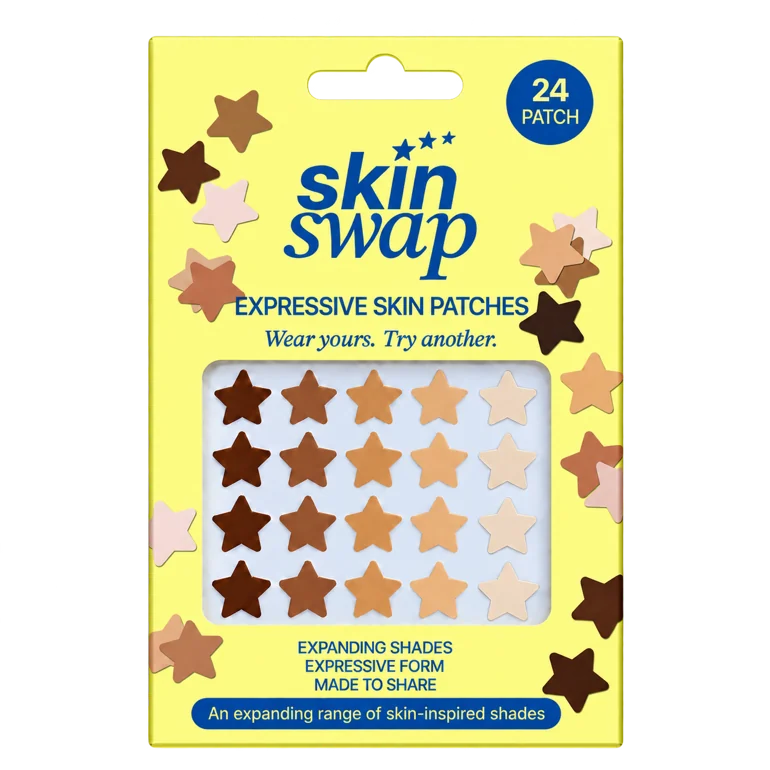
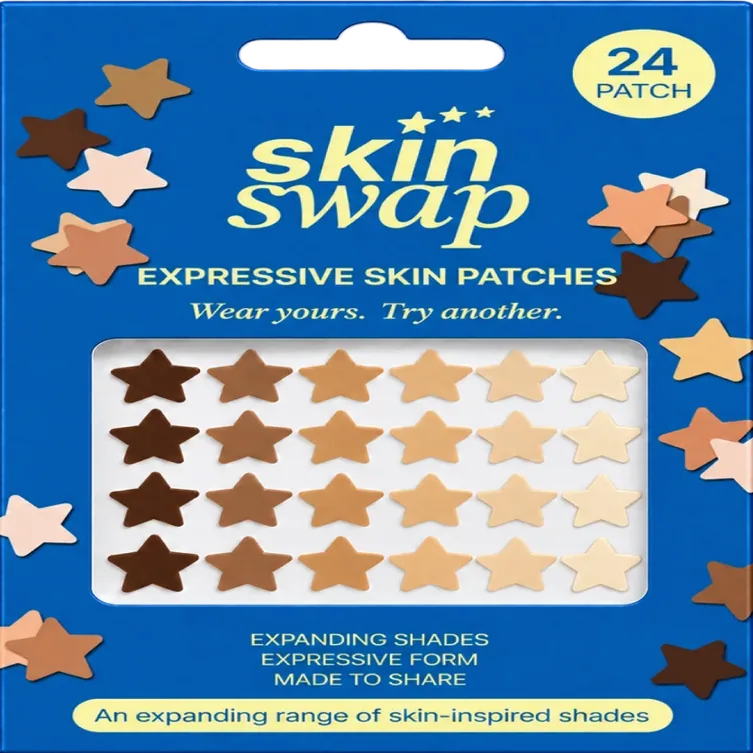
Developed from BC PATCH research, SKIN SWAP reframes a tested material as a wearable concept shaped by visibility, exchange, and self-expression.
-
INCLUSIVE RANGE
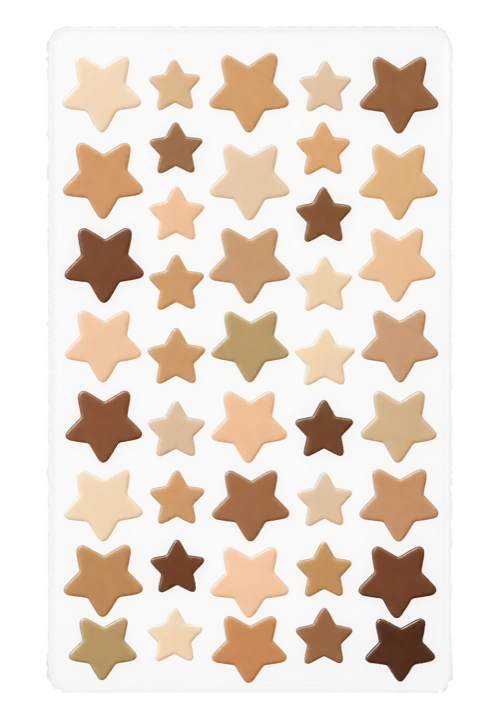
An expanding range of skin-inspired shades makes variation itself part of the design. Rather than defining a fixed set of skin tones, the system is designed to grow as more shades, users, and experiences are considered.
-
EXPRESSIVE FORM
Oversized star-shaped patches are intentionally more visible than conventional skin patches, shifting the idea from concealment toward expression, play, exchange, and conversation.
Design and concept by IO Kim.
AI was used only for model imagery
and selected mockup visualization.
SKIN SWAP is currently in development.
The project began by asking how a material could match skin. It now asks how a product can make skin tone more inclusive, visible, and shareable.
SKIN SWAP remains a work in progress shaped by research, feedback, and design development.